GOLD quotation
Spot (Eur/gr) BID: 78,17 ASK: 78,31 (Usd/oz) BID: 78,17 ASK: 78,31
Fixing (Eur/gr) AM 12.05: 2.432,500 PM 12.05: 2.431,890 (Usd/oz) AM 12.05: 2.432,500 PM 12.05: 2.431,890
SILVER quotation
Spot (Eur/gr) BID: 78,17 ASK: 78,31 (Usd/oz) BID: 78,17 ASK: 78,31
Fixing (Eur/gr) 12.05: 2.432,500 (Usd/oz) 12.05: 2.432,500
Edible gold: luxury as a gastronomic experience

Gold, a symbol of wealth and prestige since the dawn of civilisation, has played a central role in many aspects of human culture. Less well known, perhaps, is its role in culinary tradition, expressed through its edible form. Let’s explore how the fascination with edible gold began and how it has evolved over time.

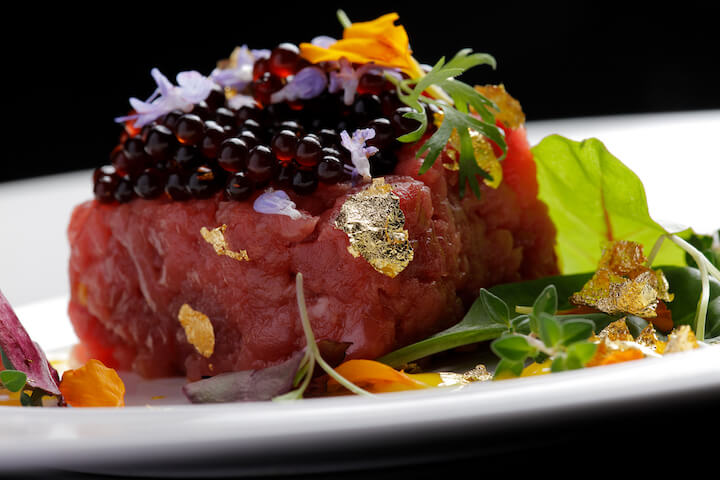
A close-up of gourmet steak tartare topped with caviar, edible flowers, microgreens, and gold leaf, artfully plated on a white dish against a black background.

The origins of edible gold

The use of edible gold is not a 21st-century innovation. As early as ancient China, Egypt and India, gold was used for medicinal purposes and as a symbol of well-being and prosperity.

In more recent centuries, gold was often consumed by European nobility, not only as a display of wealth but also based on the belief that it could promote longevity and well-being.

During the 20th century, with the democratisation of luxury and a growing fascination with gastronomy, gold began to gain ground in high-end kitchens as well. The increasing demand for unique culinary experiences led many chefs to use edible gold as a garnish and decorative element for distinctive dishes and beverages.

The media boom of cooking shows and the rise of social media sharing of food experiences further fuelled the popularity of edible gold, transforming it from a simple ingredient into a symbol of sophisticated and luxurious cuisine.

Edible gold: how it is made

Now that we have explored how this trend originated and evolved, it is important to answer a key question: how is edible gold produced?

The edible version of this precious metal is created through a hammering process, transforming gold bars into extremely thin sheets.

This gold, often with a purity of 22 or 24 carats, is then treated to make it safe for human consumption. Gold is chemically inert, meaning it does not react with the human body and passes through the digestive system without being absorbed.

A man in business attire analyzes stock market charts on a laptop while holding a smartphone. A potted plant, a glass mug with a dark beverage, and a notepad are on the desk in a well-lit room.

How edible gold is used

Today, edible gold can be found in a wide variety of products and preparations: not only in Michelin-starred restaurants, but also in pastries, chocolates, cocktails and even certain forms of street food.

Edible gold is used in ultra-thin leaves, powders or flakes, and is applied to desserts, meats, sushi and beverages.

Golden chefs: well-known names among edible gold enthusiasts

Numerous Italian and international chefs have incorporated edible gold into their creations. Renowned figures of Italian culinary excellence, such as Massimo Bottura and Carlo Cracco, have presented dishes featuring touches of gold in their tasting menus. On the international stage, Gordon Ramsay and Alain Ducasse are just a few of the prominent names who have played with the brilliance and texture of gold in their cuisine.

The characteristics of edible gold

Edible gold has no flavour and adds no nutritional value to dishes. Its appeal lies primarily in its visual impact and symbolism: it represents luxury, excellence and a sense of exclusivity.

Its shine and texture also introduce an element of surprise and novelty to traditional dishes and drinks. It goes without saying that when we refer to edible gold, we are generally referring to yellow gold—the colour most strongly associated with and distinctive of this precious metal.

The trend of edible gold is a clear example of how gastronomy extends far beyond food itself. It is an art form, an experience and an expression of culture.